
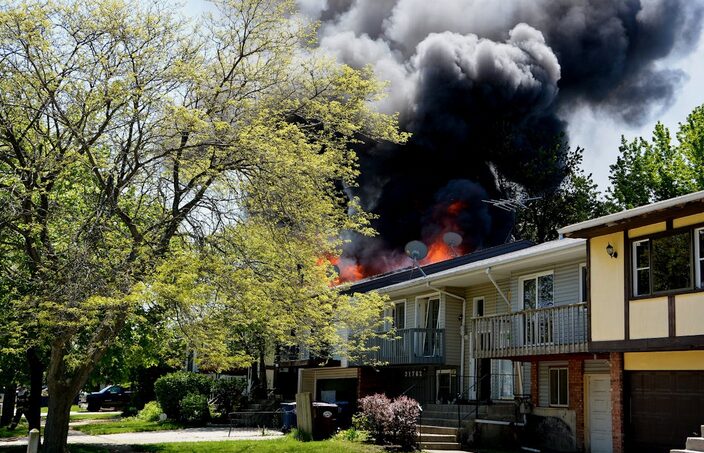
When selling a fire-damaged home, it’s essential to first understand what buyers are thinking. Most approach the situation with caution. They know that hidden issues could exist even after visible damage is repaired. Smoke, water, and structural concerns weigh heavily in their decision-making process. What’s one advice often given by real estate expert in such a case? Sell fire damaged house as is. This solution becomes a consideration when you realize that many buyers are already anticipating repairs. By putting yourself in their shoes, you’ll see why negotiation requires openness and patience. This mindset prepares you for meaningful conversations rather than defensive ones.
Highlighting the Potential Value
Even a fire-damaged property holds potential. Maybe the location is desirable, or the lot itself is spacious. Sometimes, the damage is limited to one part of the home, leaving other areas intact. By highlighting these positive aspects, you shift the buyer’s focus from problems to opportunities. This balance is key in negotiations. Buyers want to see that, despite the damage, the property has unique value worth considering.
Understanding the Importance of Full Disclosure

Honesty is one of the strongest tools in your negotiations. Buyers want reassurance that they are making a safe and informed investment. Holding back critical details often backfires, leading to mistrust and lost deals. Instead, provide inspection reports, restoration receipts, or estimates. These documents show that you’re serious about transparency. Full disclosure doesn’t scare buyers away as often as silence does. It actually makes you appear more trustworthy.
Addressing Repairs and Renovations
Buyers will always raise questions about repair costs. They may even request credits or discounts to cover future work. Before you enter negotiations, gather estimates from contractors. Having these numbers on hand strengthens your position. It shows you’ve done your homework and aren’t guessing. You can then decide whether to offer concessions or stand firm. Clear answers reduce uncertainty, which makes deals move forward more smoothly.
Knowing When to Compromise
Negotiations aren’t about winning every point. They’re about reaching an agreement that works for both parties. Sometimes, a small compromise, such as covering part of the closing costs, can keep a deal alive. Other times, it may mean adjusting your price slightly to meet a buyer halfway. The utmost priority should be moving the transaction forward without unnecessary conflict. Flexibility, when applied wisely, can make the difference between closing and losing a sale.
Considering Cash Buyers

Not all buyers are looking for traditional financing. Cash buyers often step in when a property has significant damage. They can close faster and usually accept homes in as-is condition. While the offer may be lower than market value, the trade-off is speed and reduced stress. If your goal is to sell quickly, this option may align better with your needs. Negotiating with cash buyers requires less back-and-forth since the process is straightforward.
Staying Professional Throughout
Negotiations can be stressful, especially when emotions from the fire are still fresh. Yet, keeping a professional tone makes the process smoother. Respond to questions directly and calmly. Avoid taking criticism of the property personally. Instead, treat every comment as a step toward resolution. A composed and professional approach encourages buyers to trust you more. In the end, professionalism helps ensure that both sides walk away satisfied.
Selling a fire-damaged home comes with challenges, but it is far from impossible. By staying transparent, setting fair expectations, and highlighting the property’s strengths, you create an atmosphere where buyers feel comfortable negotiating. Preparation is your greatest ally. The more informed you are about repairs, costs, and market trends, the more confident you’ll be at the table. Whether you choose to work with traditional buyers or cash buyers, keeping the process professional and open will help you reach an agreement that allows you to move forward