
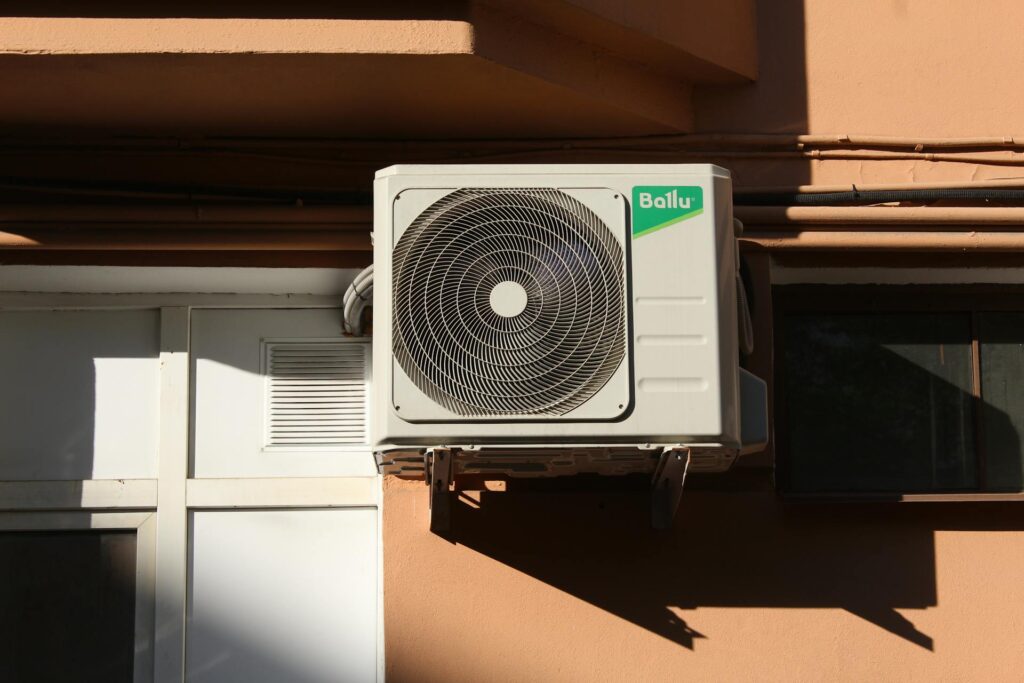
Air conditioning needs can vary significantly by type of living space, making it important to understand how service requirements differ between apartments and houses. Factors such as system size, ductwork design, and usage patterns all influence how maintenance and repairs are approached. Providers offering ac services by Midlothian Mechanical often tailor their solutions to suit these differences, ensuring that each property type receives the most effective care. Apartments may require more compact and centralized systems, while houses often involve larger units and more complex layouts. This article explores how air conditioning services are adapted to meet the unique demands of both apartments and standalone homes.
Variations in System Types and Installation Methods
Air conditioning systems used in apartments often differ from those found in houses due to space limitations and building design. Apartments commonly rely on split systems or centralized building systems that serve multiple units, while houses may use a wider range of options, including ducted systems and larger-capacity units. These differences influence how systems are installed and serviced, as each type has distinct components and operational requirements. Installation methods in apartments are often standardized to meet building specifications, whereas in houses, they allow for more customized configurations. This variation shapes the complexity and focus of servicing procedures in each environment.
Access and Maintenance Considerations
Access to air conditioning components is an important factor in determining how servicing is performed. In apartments, units such as condensers may be located on balconies, rooftops, or shared service areas, which can limit direct access and require coordination with building management. Maintenance activities must often align with building policies and shared spaces. In houses, technicians typically have easier access to both indoor and outdoor units, allowing for more direct inspection and servicing. These differences influence the time, planning, and approach required to complete maintenance tasks effectively in each type of residence.
Impact of Usage Patterns and Occupancy

Usage patterns in apartments and houses can vary significantly, affecting how air conditioning systems are serviced. Apartments often experience more consistent but moderate usage due to smaller living spaces, while houses may have larger areas that require more intensive cooling. Occupancy levels also play a role, as houses may accommodate more occupants or varied usage schedules, leading to different operational demands on the system. These patterns influence how wear develops over time and how servicing needs are assessed. Understanding how systems are used in each setting helps shape the evaluation of performance and maintenance requirements.
Regulatory and Building Management Factors
Air conditioning services in apartments are often influenced by building regulations and management guidelines that govern installation, maintenance, and system modifications. These rules ensure consistency across units and maintain the integrity of shared infrastructure. Technicians must consider these requirements when performing servicing tasks, as they can affect how work is scheduled and executed. In houses, regulatory considerations are generally limited to local codes and standards, providing greater flexibility in how systems are maintained. This distinction highlights how external governance shapes the servicing process differently for apartments and standalone homes.
Air conditioning services differ between apartments and houses due to variations in structure, system types, access, usage patterns, and regulatory factors. These differences influence how technicians approach installation, maintenance, and overall system evaluation. By understanding how each environment shapes the servicing process, it becomes clear that air conditioning systems are managed in ways that reflect the unique characteristics of their setting. This awareness provides insight into how residential design impacts the performance and maintenance of cooling systems.