
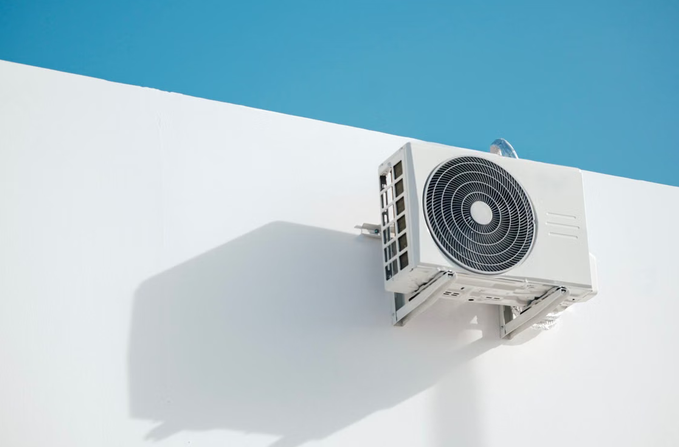
A home cooling system should provide steady airflow and maintain a comfortable indoor temperature, especially during warm weather. However, when an air conditioner starts cooling slowly, runs longer than usual, or struggles to distribute cool air, the cause may be simpler than expected. One of the first things homeowners should inspect is the air filter. Although this component is relatively small, it plays an important role in the overall performance of an HVAC system. Regular maintenance and professional HVAC services can also help identify airflow concerns and keep cooling equipment operating properly. Air filters collect dust, pollen, pet hair, and other airborne particles before they enter the equipment. Over time, these materials accumulate and restrict airflow. When this happens, the cooling system must work harder to move air throughout the home. Checking the filter is therefore a practical first step when investigating cooling problems. It can help identify common issues, prevent unnecessary strain on equipment, and support more consistent indoor comfort.
Understanding How Air Filters Affect Cooling Performance
Air filters help maintain indoor air quality while protecting important HVAC components from airborne debris. As the system operates, air passes through the filter before moving across the cooling equipment. This process allows the filter to capture particles that could otherwise settle inside the unit. However, filters cannot collect dust indefinitely. As debris builds up, the openings within the filter become increasingly blocked. This makes it harder for air to pass through at the required rate. The cooling system may then struggle to maintain the temperature selected on the thermostat. Restricted airflow can also affect how efficiently the evaporator coil absorbs heat from indoor air. When airflow becomes too limited, cooling performance may decline. Understanding this connection helps homeowners recognize why a seemingly minor filter problem can influence the entire system.
Recognizing the Signs of a Dirty Air Filter
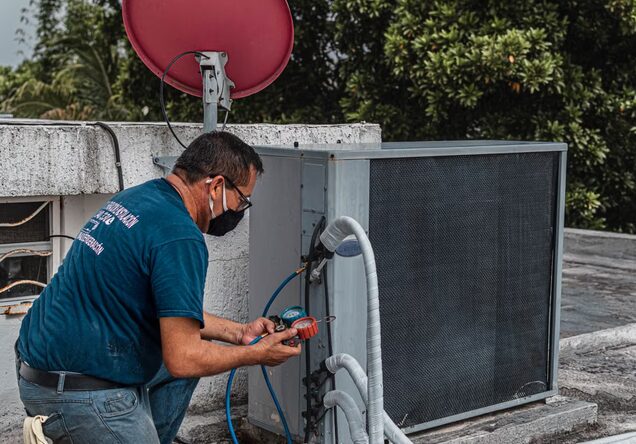
A clogged air filter does not always cause an immediate breakdown. In many cases, the warning signs develop gradually. Homeowners may notice that certain rooms feel warmer than others or that the air conditioner takes longer to reach the desired temperature. Weak airflow from supply vents is another common indication. Even when the system is running, less conditioned air may reach the living spaces. Some homeowners also notice increased dust around furniture or more frequent air conditioner operation. Higher electricity consumption can provide another clue. When restricted airflow forces the equipment to operate for longer periods, energy use may increase. These symptoms do not automatically confirm a dirty filter, since other mechanical problems can produce similar effects. Still, inspecting the filter is a sensible starting point before investigating more complicated causes.
Preventing Airflow Restrictions and System Strain
Regular filter inspections help prevent airflow problems from developing into larger equipment concerns. When a filter becomes heavily clogged, the blower motor may need to work harder to circulate air. Continued operation under these conditions can place additional strain on system components. In some situations, restricted airflow may contribute to an evaporator coil freezing. Ice formation interferes with heat transfer and further reduces airflow. If the problem continues, the air conditioner may stop cooling effectively and require professional attention. Replacing or cleaning a filter at the appropriate time helps maintain the airflow needed for normal operation. It also reduces the likelihood of dust reaching sensitive internal components. This simple maintenance task can support reliable performance and help limit avoidable repairs.
Choosing and Replacing the Right Air Filter
Not all air filters are designed for the same HVAC systems. They differ in size, material, thickness, and particle-capturing ability. Using an unsuitable filter may create installation problems or restrict airflow, even when the filter is new. Homeowners should check the equipment manual or existing filter label before purchasing a replacement. The dimensions must match the filter compartment, allowing the component to fit securely without leaving gaps around its edges. It is also important to consider the filter’s efficiency rating. A filter with a higher particle-capturing rating may help remove smaller airborne particles, but it must remain compatible with the system’s airflow requirements. Selecting the most restrictive option is not always the best decision. When uncertain, an HVAC technician can recommend an appropriate filter based on the equipment’s specifications and household needs.
Establishing a Consistent Filter Inspection Routine
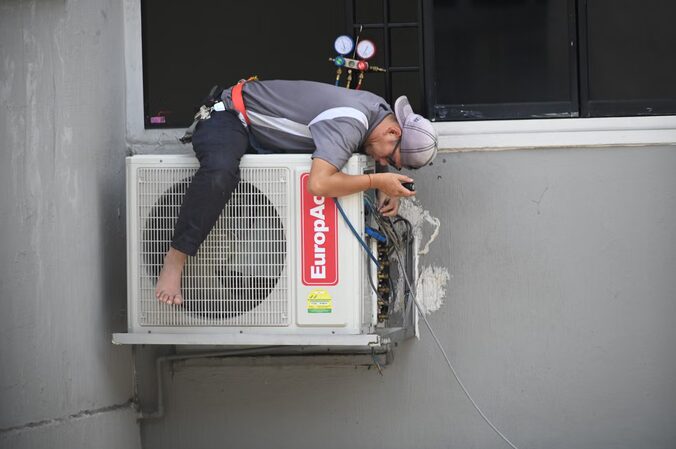
Checking an air filter should become part of regular home maintenance rather than something homeowners do only when cooling problems appear. A monthly visual inspection provides an opportunity to identify dust buildup before it significantly affects airflow. The replacement schedule depends on several factors, including filter type, household activity, pets, indoor dust levels, and system usage. Some filters require replacement every one to three months, while others have different service intervals. Manufacturer recommendations should always guide maintenance decisions. Homes with several occupants, pets, or ongoing renovation work may need more frequent inspections. These conditions can introduce additional airborne particles that collect on the filter. Keeping a simple maintenance record can also help homeowners track replacement dates and identify patterns in filter condition.
Knowing When Professional HVAC Assistance Is Needed
Although inspecting an air filter is a straightforward task, not every cooling problem can be resolved by replacing it. If the system continues to produce weak airflow or insufficient cooling after installing a clean, compatible filter, further investigation may be necessary. Other possible causes include refrigerant leaks, dirty evaporator coils, blocked condensate drains, damaged blower motors, and thermostat problems. These issues require different troubleshooting methods and may involve specialized equipment. Homeowners should avoid opening sealed system components or attempting electrical repairs without proper training. A qualified HVAC technician can inspect the equipment, identify the source of the problem, and recommend suitable repairs. Professional attention is particularly important when the system develops unusual noises, visible ice buildup, water leaks, or repeated shutdowns.